


AI tools for database query optimization - Latest Updates
AI tools for database query optimization
October 14, 2026
SEO Is No Longer Enough: The Rise of AEO and GEO remains a relevant topic because it influences how people evaluate technology, risk, opportunity, and long-term change. This article expands the discussion with clearer context and practical meaning for readers.
“If you’re not optimizing for how AI finds and displays your content — you’re already falling behind.”
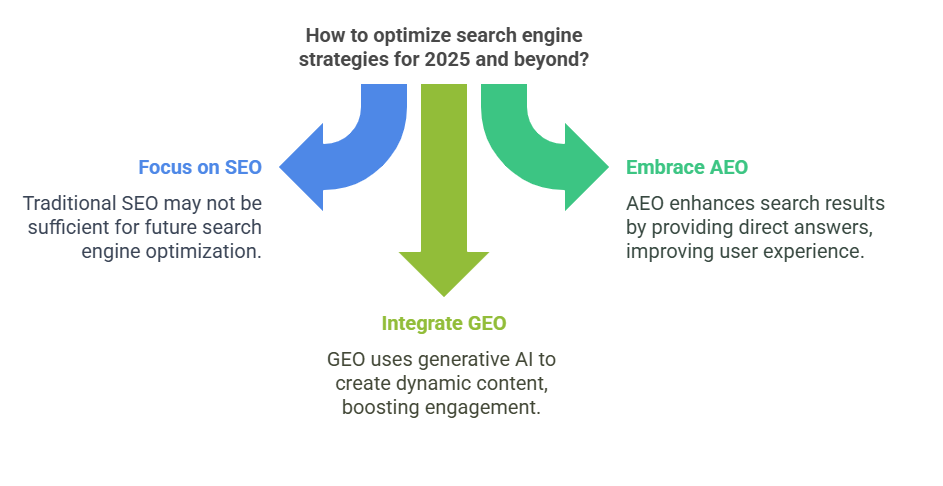
Welcome to the age of AEO (Answer Engine Optimization) and GEO (Generative Engine Optimization).
SEO alone won’t cut it in 2025 and beyond.
This is the traditional method of optimizing websites to rank higher on search engines like Google and Bing. It focuses on:
SEO is about ranking on Google’s SERP (Search Engine Results Page).
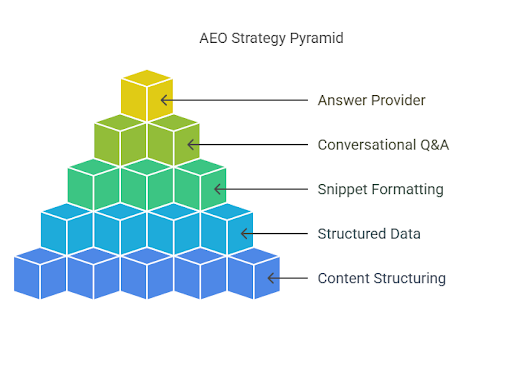
AEO focuses on structuring your content so it can be easily understood and directly answered by AI-powered search engines and virtual assistants like:
AEO often uses:
AEO is about being the answer — not just a clickable link.
GEO is the new frontier: optimizing content for generative AI models like ChatGPT, Claude, Gemini, and Perplexity.
These systems don’t link — they generate responses from what they understand about your content. So, visibility depends on:
GEO is about being included in AI responses — not just found by crawlers.
| Factor | SEO | AEO | GEO |
|---|---|---|---|
| Goal | Rank high on SERPs | Be featured in direct answers | Be cited or used by AI models |
| Target Platform | Google/Bing/Yahoo | Voice assistants, rich snippets | AI search/chat engines |
| Optimization Format | Keywords, links, structure | Schema markup, Q&A formats | Clean data, context-rich writing |
| Outcome | Clicks | Instant answers | AI citation or summary inclusion |
FAQ, HowTo, Article, and Product schemas.## How does X work?)Google’s AI Overviews, Bing’s AI answers, and tools like ChatGPT are reshaping how users find information. If your content isn’t optimized for these systems:
Ask yourself:
Am I only chasing Google rankings, or am I preparing for the AI-first internet?
SEO is still important — but AEO and GEO are no longer optional.
Smart marketers are investing in all three.
Which are you focusing on: SEO, AEO, or GEO?
Comment your thoughts and let’s build future-ready content strategies together.
Search visibility now depends on both traditional keyword targeting and how clearly content answers user intent across search, AI summaries, and discovery surfaces.
A useful case study is a technical article that ranks modestly in traditional search but is written with clear headings, direct answers, and trustworthy references. That structure can improve its chances of appearing in search snippets, AI summaries, and broader content recommendation systems.
The core ideas behind SEO Is No Longer Enough: The Rise of AEO and GEO become much more useful when readers connect them to outcomes, trade-offs, and implementation realities. A well-structured understanding helps cut through hype and supports better decisions over time.